



Podcast: Play in new window | Download
Cold outreach has a bad reputation – but only because most people are doing it wrong. AJ Cassata breaks down how modern cold outreach actually works, without relying on ads or algorithms. It’s a practical, human approach to outbound that respects your audience and gets results.
Cold Outreach That Actually Works: How to Get Responses Without Being Spammy
Most cold outreach is terrible.
You’ve seen it in your own inbox. Generic subject lines. Copy-pasted pitches that clearly weren’t written for you. Messages from people who’ve never even glanced at your website. And those dreaded “Quick question” emails that make you want to set up an auto-delete filter.
But here’s what’s interesting: while most people are doing cold outreach poorly, there are a few are doing it well. And when you understand the difference, cold email, LinkedIn messages, and even cold calls become one of the most direct, cost-effective ways to reach your ideal customers.
AJ Cassata has been in the cold outreach trenches since he was 19, knocking on over 10,000 doors selling house painting services. Today, he runs Revenue Boost, a B2B marketing agency that’s helped over 440 clients build consistent pipelines without paid ads or massive marketing budgets. He knows what works and what gets instantly deleted.
Why Cold Outreach Isn’t Dead (Just Done Badly)
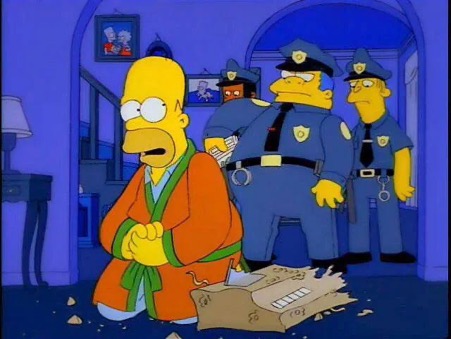
When AJ talks about cold outreach, he’s not suggesting you resurrect 1990s telemarketing tactics. (Flashback to Homer’s time with the AT-5000 autodialer.)
He’s talking about smart, targeted, valuable communication that respects your prospect’s time.
“If something’s been around for a while and the big companies do it, it means that it works,” AJ points out. “Salesforce has around 2,000 people as SDRs just doing cold calls and outreach to businesses. If it didn’t work, they wouldn’t be doing it.”
The issue isn’t the channel. It’s the approach.
Most cold outreach fails because it’s built on lazy tactics: buying massive lists, blasting generic messages, and hoping something sticks. It’s the marketing equivalent of throwing spaghetti at the wall.
But when you do genuine research, provide real value, and speak to specific problems, cold outreach cuts through the noise. The bar is so low that showing you actually care immediately sets you apart.
The Foundation: Sell the Next Step, Not the Final Sale
One of AJ’s most valuable lessons came from his door-to-door days. Early on, he tried to convince homeowners why they needed their house painted right there on the doorstep. Unsurprisingly, that didn’t work.
“I only have a few minutes, and how am I gonna convince them on this really expensive project when they just met me?” AJ realized. “So what I shifted to doing is I started trying to sell the next step in the sales process.”
Instead of asking, “Do you want to get your house painted this summer?” he started asking, “Could I have an hour of your time next weekend to give you an estimate?”
The response rate jumped because the ask was smaller. The commitment was lower. And it respected the natural progression of how people actually make decisions.
This principle applies whether you’re sending cold emails or building online funnels. Don’t try to close the deal in the first message. Focus on getting the reply, booking the call, or delivering the free audit. Sales is a series of steps, and your job is to make each step as easy as possible to say yes to.
Three Ways to Stand Out in a Crowded Inbox
AJ receives plenty of bad cold outreach himself. But every so often, an email impresses him enough that he shares it with his team. What makes the difference?
1. Always Include Social Proof
Anyone can make claims. “I’ll double your revenue.” “We’ll book you 100 appointments.” “We’ll grow your business.” The internet is full of promises.
But strangers have no reason to trust you. The moment you make a claim, you need to back it up with proof.
“It could be the number of clients you’ve served, any big brands you’ve worked with, or a specific case study,” AJ explains. “If you don’t have something to back up the claim, then there’s no reason people should believe you.”
This is table stakes. Not optional. Every cold message should include some form of credibility marker right after you state what you do.
2. Lead with Value, Not an Ask
Most cold outreach asks for something: your time, a meeting, 30 minutes for a call. But what if you flipped that?
“Why not do a lead magnet in a cold email?” AJ suggests. “If you can just give something away for free—some sort of audit or diagnostic—that’s already going to be a pattern interrupt.”
For service businesses, offering a free audit or assessment brings prospects into the first step of your process without asking them to commit to anything. It’s a way to demonstrate expertise before you ever get on a call.
And if you don’t have lead magnets, creating them is straightforward. Ask ChatGPT: “Here’s my business. Here’s the problem I solve. Here’s who I help. Come up with 30 lead magnet ideas.” You’ll have a starting point in 30 seconds.
3. Get Specific (Really Specific)
Generic messages feel like spam because they are spam. When your email could apply to literally anyone, it applies to no one.
The solution? Segment your list into tightly defined campaigns.
“If you work with five different key industries, each of those industries should be their own campaign,” AJ explains. “CEOs care about profitability. Marketing managers care about landing page conversion rates. If you’re talking to a CEO about landing page metrics, that’s going over his head.”
The more specific you can be, the more your message feels like it was written for that exact person. Which, ideally, it should be.
AJ recommends doing genuine research before you send a message. Not fake research where you say “I looked at your website.” Real research where you mention something specific that’s somewhat hidden—something that proves you spent time learning about them.
“For me, if I receive an email and I feel like the person actually spent a few minutes to look me up, I feel much more obligated to reply,” he says.
Breaking the Pattern
Everyone’s getting the same cold emails. Same structure. Same subject lines. Same three-sentence format.
So AJ’s been testing pattern interrupts. Humor. Longer emails (since everyone else sends short ones). Fun facts about the prospect’s name. Anything to break the mental filter people have developed.
One email he received recently opened with a fun fact about what his name means in the sender’s native language. “I’d never had anyone mention that before,” AJ said. “I even shared it with my team.”
The lesson? Don’t just copy what everyone else is doing. Find ways to be memorable.
The Campaign Framework: From Strategy to Send
If you’re ready to launch your first cold outreach campaign, here’s AJ’s framework:
Start with strategy. Who exactly are you targeting? What industries? What company sizes? What job titles? The more specific you can get, the easier everything else becomes.
Define your offer. Are you asking for a call? Offering a lead magnet? Providing a free assessment? Decide what you’re giving or asking for.
Build your list. Use tools like Apollo.io or LinkedIn Sales Navigator. You’d be surprised how easy it is to get direct work emails for specific job titles and industries.
Write your cadence. Don’t send just one email. Write a sequence of three to four follow-ups. Research shows 42% of responses come after the first email, so you’re leaving half your leads on the table if you stop at one.
Test multiple campaigns. Don’t try to pick the “perfect” approach. Run three to five campaigns side by side with different industries, messages, or offers. Let the data tell you what works.
And here’s the part most people miss: volume matters. You can’t send 10 emails and expect results. Only 3-5% of any market is actively looking for a solution right now. You need to get enough reps in to reach the people who are actually in-market.
Where Most Campaigns Fail
When AJ reviews underperforming campaigns, the problem usually comes down to the list. You can have great copy, a compelling offer, and perfect timing—but if you’re reaching the wrong people, nothing else matters.
“If you really have the perfect person for your offer, you don’t have to have extremely fancy or clever copy,” AJ says. “You just have to kind of say what it is and they should jump at it.”
So spend most of your time curating the right list. Get specific about who you’re targeting. And make sure the people you’re reaching out to actually need what you’re selling.
The Takeaway
Cold outreach isn’t spam. At least, it doesn’t have to be.
When you do genuine research, provide value upfront, segment your list, and respect people’s time, you’re not spamming—you’re having a conversation. You’re reaching out to people who have a problem you can solve and offering to help.
The best part? Because most people do this badly, the bar is incredibly low. Show you actually care, back up your claims, and speak to specific problems, and you’ll immediately stand out.
That’s the opportunity. And it’s available to anyone willing to put in the work.
Transcript from AJ Cassata’s Episode
Rich: My next guest is an entrepreneur and marketer who built his business from the ground up using a skill most of us overlook – cold outreach. From his first door-to-door sales job at 19, and managing a 15-person sales team by 23, to launching multiple marketing agencies and helping over 440 clients grow their business without paid ads or big marketing budgets, he has become the go-to expert on outbound lead generation and cold email.
He’s the founder of Revenue Boost, a B2B marketing agency, helping SaaS and high-ticket service businesses build a consistent pipeline using outbound strategies. His trainings, templates, and systems have helped startups, agencies, and consultants scale predictably without relying on social media algorithms, complicated funnels, or big ad budgets.
Put on your wetsuit because today we’re going to dive into cold outreach with AJ Cassata. AJ, welcome to the podcast.
AJ: Hey Rich, thanks for having me on. I’m really excited to dive in and give your audience a lot to walk away with today.
Rich: Awesome. Now in your bio, I mentioned that you started with door-to-door sales as your entry point into cold outreach. What were some of the lessons you learned from those early canvasing days?
AJ: Yeah, well, one of the first lessons I learned is that eventually I got to do something else other than door-to-door sales. Because man, that was brutal. I probably knocked on over 10,000 doors.
But no, in all honesty, I don’t regret that I did it. I think it was a very valuable experience as an entrepreneur. If anyone has the , even though it might really seem difficult because it is difficult, being able to face that much rejection and just hear ‘no’, and actually even just doing sales face to face, I think makes you a better marketer because you actually can really see people’s reaction to your message and the psychology mind. So it was a great learning experience.
I think the best thing I learned was just how to communicate a pitch or a message in 10 to 15 seconds, which I think is definitely a pretty fundamental skill in marketing. Because I was a college kid, I was knocking on homeowner’s doors. So basically for context, I worked for a residential construction and house painting company, and I would ask them if they wanted their house painted this summer. But literally within 10 to 15 seconds, that’s all you have because you’re knocking on someone’s door, they’re probably being interrupted, right? They’re either watching TV or they’re having dinner or something. So they already opened the door not really liking you so much. And people are skeptical because there’s obviously a lot of scams that could be happening as well.
So really you have 10 to 15 seconds to just make the point of why you should listen to me or why I should get another minute or two of your time. I think that was a really crucial skill. And also I really learned the difference between lead generation and sales. Because it’s really more door-to-door marketing than it is sales.
For example, when I first started that sales job, at first I tried to convince people why they needed their house painted. But that’s just so hard to do because it might cost $5,000 or $10,000, and I just met them five seconds ago, and how am I going to convince them on this really expensive project when they just met me? They don’t know me. They don’t trust my company.
And again, I only have a few minutes, right? So what I shifted to doing is instead of trying to sell the whole project, I tried to sell the next step in the sales process. So instead of saying, “Hey, do you want to get your house painted this summer?” I would say, “Hey, could I have an hour of your time next weekend and I could come by and give you an estimate and a quote for what it would cost to get this project done right?” And that was a lot. The response rate on that was a lot higher because I was really shortening the ask. Essentially, I was changing my call to action to something that was easier to say ‘yes’ to.
So that’s when I really learned that sales is really just a series of steps. Like we think about this with online marketing, right? There’s the funnel, there’s the opt-in, and there’s the call booked or whatever your process is. But with online funnels there’s different steps, and you can make each step of the funnel work better online or offline.
If you do really just focus on selling the next step and selling the value of having a call with you or having a meeting or whatever the step is versus trying to… you’ve seen those sales pages where they just try to do too much and try to sell too much in the headline, right?
Rich: That’s actually a very good insight and I think that that’s critical. Because so often we’re just thinking about closing the final sale instead of just closing the next step. I remember when I did sales before I started this company, I worked for a medical supply company, and people were like, oh, cold calls must be the worst part of your job.
And I was always like, no, cold calls are easy because if the person hangs up on you, it doesn’t hurt. Where, for me, the toughest thing was asking for them to actually sign on the bottom line. So that was kind of my experience with cold calls.
But I think a lot of people who are listening right now may be thinking of cold outreach as outdated or spammy. What would be your response to that, or how do you define modern cold outreach versus what they might be thinking of in their own heads?
AJ: Yeah, for sure. So everyone listening, don’t worry, I’m definitely not saying you have to go door to door. I don’t do that anymore. So at our agency we do B2B, we work with B2B clients, and we do a cold email, LinkedIn, cold calling. I mean, you can use whatever platform your, your target audience is on, but most of the time B2B, it’s cold email, LinkedIn cold call.
But if there’s Facebook groups where your target audience hangs out, or Instagram channels, same thing as well. So that’s kind of what we’re talking about is more like digital messaging or calling. It’s also still useful and it’s obviously a lot easier than getting rejected face to face. But yeah, it’s definitely not outdated. I would say a good reframe would be that it’s timeless.
I think these things that seem simple and have been around for a while can be looked at as outdated, because we have all this new technology now and really sophisticated ad platforms. But if something’s been around for a while and companies still do it, and some of the biggest companies in the world do it. Like if you look at any really big software company, if you want their LinkedIn, they’re all going to have teams of SDRs.
Like I think Salesforce has the most, they have around 2,000 people as SDRs that are just doing cold calls and outreach to businesses. So if something’s been around for a while and the big companies do it, it means that it works, right? Otherwise they wouldn’t be doing it. So that’s what I like about it is that it’s timeless. I know it’s always going to work. At the end of the day, it’s simple. If you reach out to people directly and you get your message in front of them one-on-one, out of a hundred people, X number will actually be interested and want to take another call with you. So, it’s definitely not outdated.
But as for some people who might think it’s spammy, I think I hear this a lot. I receive a lot of cold outreach that honestly is spam. It doesn’t really speak to me, it seems like it’s not even meant for me. I receive all these cold pitches where it’s almost like the person did no research on my business or didn’t really put their time and effort into actually building a list with the right prospects on it. So I think the way that a lot of outreach is done is very half-hearted and spammy. But every so often I receive a cold email or a message on LinkedIn that actually really impresses me, the person who really researched my business, they actually are talking about a problem that I might have, and they’ve shared some social proof, and it actually seems legitimate.
So I think the way most people do outreach is spammy, but that also should be exciting for the viewer because that means the bar is very low, right? If you can just focus on a couple of key principles to stand out, then you can get through to your prospect and kind of stand out from a lot of the noise and a lot of the junk that they’re getting.
Rich: So that was a question I did want to get to at some point, but you kind of teed it up. So let’s talk about that. We all deal with so much spam, so many emails that come in, “Hey, Agents of Change team”, or “Hey, Take flyte team”, or my personal least favorite is, “Quick question…” which immediately gets me to hit ‘delete’ or ‘spam’ the second I see that.
With all of that noise out there, what are some of the ways that you’ve discovered where you can stand out and prove that you’re not just a bot, not just a one of 2,000 people just sitting in a boiler room making phone calls? What are some of the things you do to kind of stay remarkable in that scene?
AJ: Yeah, that’s a really, really good question. Because I think that’s the most important problem to solve, right? Cold outreach its such a low-cost way to reach your target market. You just have to send a bunch of emails or automated emails, right? So it’s not hard to actually set up and get emails or messages delivered. But the hard part is, again, once my message lands, how do I make sure that it’s not just filtered out like everything else?
So a few things. One is you need to have some sort of social proof to back up what you’re saying because anybody can email you and make a claim, right? Marketers make claims all the time. “Hey, I’ll grow your business”, “Hey, we’ll book you a hundred appointments”, “Hey, I’ll double your revenue”. But at the end of the day, you’re just getting an email from a stranger or any sort of cold message. They have no reason to trust you, they haven’t seen your company, they haven’t been following you online.
So you need to always, as soon as you make your claim for what you’re going to help them with, you have to back it up with social proof. That can be the number of clients you served. It could be any big brands you worked with. It could be describing a specific case study. But if you don’t have something to back up the claim, then there’s no reason people should believe you.
So that’s really just, I would say, the baseline. That’s not necessarily what makes an exceptional email, but that’s the baseline to really kind of be considered.
Rich: Table stakes.
AJ: Yeah, table stakes. Exactly. Because again, that’s one piece. Another piece is you can actually just give value or give something for free.
So we do lead magnets all the time in our social media or in our paid ads, but why not do it in a cold email? So if you can just give something away for free if you’re a service business. Like it’s great to give away some sort of audit or diagnostic or anything that kind of brings them into the first step of your process as if they were to work with you as a client. That’s usually a good fit.
But honestly, if you don’t have lead magnets, you should definitely start coming up with a few that’s useful for all of your marketing. But you could just go into ChatGPT and say, “Here’s my business. Here’s the problem I solve. Here’s who I help. Come up with 30 lead magnet ideas”, and that can kind of get the ball wrong. But that’s a really great way to stand out.
Because again, everyone’s usually emailing your prospects, trying to ask for usually a meeting, right? 30 minutes, 60 minutes. But if you just go up front and just actually give them something, then that’s already going to kind of be like a pattern interrupt, as well as have them start actually consuming some content from your brand or spending some time with you.
And then the third thing I would say was, really be specific. So most of the time, the low-quality outreach I receive, the most common problem with it is that it just doesn’t really feel like it’s for me, it doesn’t feel relevant. I mean, half the things I get pitched, it’s like if the person actually looked at my business, they would see that I don’t really need that, or I’m not their target client. And that kind of gives the impression of people that I’m just a number on some Excel spreadsheet of a hundred thousand people that you downloaded somewhere.
But the best outreach should really feel personal. It should really build a relationship and actually build trust and not seem like spam. So one of the ways you do this is by segmenting your list. So let’s say that you work with five different key industries and your business. Each of those industries should be their own campaign. And really, if you work with CEOs or marketing directors as an example. that should also be its own campaign.
Because then if you speak the way… different industries have different problems, they also have different language, right? Different kind of keywords they use and things going on in their world. And same goes with job titles. Different job titles have different priorities, different KPIs. They care about different goals, right? You know, if you’re talking to a digital marketing manager they might not care about overall company growth and profitability. The CEO might care about that, or they would care about that, right?
And vice versa. If you’re talking to a CEO and you mention a very specific marketing metric, let’s say that you’re selling a marketing service like landing page conversion rate, that’s going to go over his head, right? So when you segment your list into small, tightly defined campaigns, that really makes the outreach stand out a lot more because now you can really speak to that one person. You can really feel like a peer, like an insider. You can show that you understand their world and you actually can help them solve a problem.
Versus just what most people do is they’ll take a big list, they’ll run one email campaign. And when you kind of stuff everyone into one big list for outreach, you have to make your message so generic that it kind of appeals to everyone. But then it appeals to no one.
So definitely segmenting your list so you can get very specific with the messaging. I think it’s honestly a good principle for any channel you’re doing any marketing on, but definitely for outreach where it’s pretty crowded and most people aren’t really taking the time and effort to do that.
Rich: I think those are all good points. I wonder also if you do something or you’ve thought about it in terms of breaking patterns. Because as I mentioned in the previous questions, as soon as I see the words “quick question”, I’ve seen it so many times I just default to the ‘delete/spam’ response, almost like a trigger.
And same thing like, “Oh, I really enjoyed your episode with AJ Cassata, where he spoke on xxx”, and then it’s literally the title of the episode. I again, immediately know this person has done no homework, there is a script behind it, and it just shuts down.
Have you tried anything by breaking patterns? Like if everybody takes this approach on cold outreach, I’m going to do something that’s going to surprise and hopefully delight them, and at least buy that one extra minute of attention where then I can ask for the next step.
AJ: Yeah. So one thing we do is we do genuine research. And honestly, you can even build AI models that actually do this research for you. But even if you’re doing it manually, that’s fine, too, as a first step. But actually doing so, not just saying, “Hey, I looked up your business online and wanted to reach out”, but actually mentioning something specific that might be even hidden in their website or on their social media profiles.
But if you actually do a genuine research on the other person or their company, and have an observation about what’s going on, that could even be a good lead into like why they should consider what you’re offering. That stands out a lot because again, most people are not doing that research.
So already, like for me, if I receive an email or something and I feel like the person actually has spent a few minutes to look me up, I feel much more obligated to reply. Because I feel like they’ve spent time and they’ve at least done their homework. And they might have something actually useful to bring to me.
And then honestly, more recently we have been trying to test some new, just kind of fun pattern interrupts. Like putting humor in the email. Usually the emails we write are really short, but we’ve been actually testing some longer ones, just because I realize most of the emails I get are really short.
So I think they kind of also have that mental filter where people are seeing the same thing over and over again. I received an email recently that was pretty cool in the first line. The guy actually told me a fun fact about what my name means in his culture, his language. So that was kind of cool. I even shared it with my team. I was like, I’ve never had anyone mention this in email before and I learned something new about what my name means. So, I think stuff like that is definitely worth trying. Because it is just anything to break the pattern, right?
Rich: Yeah.
AJ: Yeah.
Rich: And the theme that seems to be running through your answers is, when a lot of people think about cold outreach, there’s literally nothing behind it. You’re just starting in the coldest place possible. It sounds like you are recommending that we do a little bit of warming up that lead. Maybe not warming in terms of we had any contact with this person before, but we’ve prepared for this cold outreach as opposed to just having a bot or a script send hundreds of messages out to people.
AJ: Absolutely. Yeah. The more research you do, the better. Think about it and let’s say that maybe some people listening have really large deal sizes. Like, let’s say that a client is worth $50,000 lifetime value to you as an example. Wouldn’t it be worth it to spend 15 minutes just researching them, so you have something unique to say when you reach out to them?
And if someone listening doesn’t really have a huge deal size and it’s not really practical, and let’s say that they have more of a volume type business, there’s also AI models that can actually do this research for you and you can say, “Hey, go find out this about this business”, and then generate the first line based on that information. So you can still even use technology to do a lot of that for you, but obviously if you can do it by hand, that’s even better.
Rich: You mentioned that for you, cold outreach can mean email, LinkedIn, phone, other channels. How can a business decide which channel is the best starting point for them?
AJ: Yeah, so it’s always about going where your customers are, wherever, whatever your niche is, start there. But I’ll just at least talk broadly about B2B because that’s just kind of the world I play in.
So if you’re selling a software or B2B professional services, email, LinkedIn, cold call, are kind of the most common three. I would usually start with email because email is going to be kind of the easiest to set up, or at least it’s going to give you the most scale.
For example, if your ideal clients are on LinkedIn and you want to start networking with them there, you can only message a hundred people a week on LinkedIn. So the platform limits are pretty restricted. Whereas with email, you can message a thousand a week, right? You’re not really limited. So usually, that’s where we would start a client if we’re taking on a new client, just because of the volume and the scale.
And then also I think cold calling could be a little bit apprehensive for some people because that’s where you at least do hear a little bit more of that rejection. So sometimes there could just be a bigger mental barrier there. So I would say email is going to be the easiest and most scalable to get started.
Rich: All right, AJ, can you walk us through a typical cold outreach campaign, from the idea, to list building, to messaging, to refinement?
AJ: Yeah, for sure. What would be an example of business, maybe one that might be what one of your listeners, or even yours, let’s think of an example like service.
Rich: Sure. I mean one of the things that I’ve been doing for a few of our select clients is creating these brand GPTs. So maybe an outreach for me would be I want to be able to create these GPTs that are specific to companies so their internal and external people can use this to create better content. So if that were the product, how might I get started using cold outreach?
AJ: Yeah, for sure. Also, I think that’s a great product because custom GPTs are awesome, and I think every business should be using them. I think there’s tons of businesses that know they need AI, but don’t know where to start, and I think that’s a really great first step.
But as far as how I would think that as a collaborate, so first we have to think about it, it always starts with the actual list. Because remember, like I mentioned before, the more that you can segment your list, the better you can create your messaging and your offers, right?
So I would think first between who is the most ideal client for this? Now every business in the world could use custom GPTs, everyone wants to use AI and everyone can benefit from putting out more content than they are now. So I would first start by thinking what are the top three types of companies that would see the most value in this?
And a good way to start would be by thinking about past clients. So if this is a totally new offer and you haven’t really sold it yet, you can start to at least kind of brainstorm and fill in the gaps. So the first thing I would do to get started with cold outreach is first decide on the strategy, which starts with who exactly am I targeting. So you can make all the legwork a lot easier if you just start by really picking the best market. Like if you really are selling the right product to the right market, you don’t have to always be very good with the copy. You can kind of make mistakes along the way. But at the end of the day, selling to that really in demand market that has the most inherent need for what you’re selling, just the rest of the sales process is much easier.
So I would take a gray market and a mediocre offer or mediocre sales process over the other any day of the week. So if you’re selling custom GPTs to help businesses create content, every business in the world could use that, but there’s probably certain industries that might be able to use that more than others. And the way you could brainstorm this is by thinking about your past clients. If you look back at all your clients, what were the commonalities between some of the best clients, meaning they paid you the most, they saw the value right away, and they signed up pretty quickly. Maybe they stayed for a while, or they bought your other stuff. And if this is a new offer, you can kind of just, at least, you’ll have to hypothesize on that. Or you could do a little bit of research with ChatGPT.
But essentially, you want to figure out two things. One, what are they best industries to focus on? And then also, what the best company size is. Because that’s really where you want to build your list around. You don’t want to have businesses with 10 people versus businesses with a thousand people on the same list, because that’s really a different kind of message and approach. So you want to kind of group your campaign, your strategy, in terms of what are a couple of industries and then what size of business do I feel like is my sweet spot?
Now for example, I would imagine maybe an online coach or an online course creator would be a great fit for custom GPT because they largely have to produce a lot of educational content to teach people about their method and attract clients and all that. Maybe e-commerce brands would be good too, because they pretty much only sell online, so they obviously have a business that relies on content being put out there. So those are just a couple of ideas.
But typically you want to think there’s a lot further and then I’m really trying to pick two to three business types, because ultimately I’m trying to test, I’m not trying to figure out what’s one specific client type I can go after unless you already know that, hey, there’s this one client type I work the best with and I already know this and that’s fine, but usually I’m trying to test.
So we’re trying to narrow down a couple of different ICPs, that’s ideal customer profiles. Then we’re thinking about the offer. What am I offering them? Am I trying to get them on a sales call? Am I trying to give them something away for free like a lead magnet like we discussed earlier?
So first, clarifying the niche, then the offer. And you can also test a few. Maybe a lead magnet could be, I’ll build you one free custom GPT, or we’ll do an AI assessment audit, I’ll walk through your workflows and your operations and I’ll come up with the five best areas for you to use AI in your business today to get some productivity back.
So brainstorm a couple of offers, what’s the key messages you want to try out? And ultimately, you’re just trying to structure your tests. Because again, it’s not about picking the perfect campaign. It’s hey, I think that these three industries might work great. I think that this message or this lead magnet might work great, but I’m going to test a few variations. That’s what you’re trying to figure out first. Because ultimately, you don’t really know what’s going to work the best, but I like to always run three to five campaigns side by side and just see what the data tells me.
So once you’ve kind of laid out the strategy, which is again, who am I targeting, what am I going to say, and what’s the next step? What am I offering them? Then you pretty much get to work on building it. So first it’s setting up the technical side. If you’re doing email as an example, you would set up new domains, new inboxes, and get a tool like instantly.ai, which is a good tool to actually run the campaigns out of.
Just to be clear, if you are doing email outreach you don’t want to use a HubSpot or a MailChimp. Those are tools that are built for newsletters and people that are you’re warm list and that they’ve opted in. But when you’re doing cold email, there are going to be some people who mark you with spam, and you don’t want that to affect your domain reputation. So whenever you’re doing cold email, it should be a separate tool. And there’s tools that are specifically designed for this.
And again, if you’re doing LinkedIn, then you would use a LinkedIn tool to kind of organize your contacts. And if you’re doing cold calling, then there’s not really any technical setup. You just pretty much can start getting a list and calling. So first step after the strategy is technical setup, kind of get everything in place. Then you would actually build the list. So there’s databases online like apollo.io and also LinkedIn Sales Navigator where you can actually build this list.
So actually a lot of people are kind of surprised when I tell them this, but it’s pretty easy to get the email list. Like if you have your ideal client type, let’s say it’s marketing managers at e-commerce brands in the food and beverage industry, you can go within 30 minutes and get a list of direct work emails of those people. It’s all publicly available. Usually you pay $100 a month for a tool that just kind of has information for you, and it’s pretty up to date as well.
So it’s not difficult at all. You don’t need to buy lists or go on Upwork and work with different lead vendors. You can pretty much just use Apollo or you can just Google “B2B lead database” and they’ll have all the different industries and job titles. So you build a list, you would actually get the people’s emails or the phone numbers for whatever you’re , or LinkedIn profiles if you’re trying to reach out that way.
Then you would write the cadence, so you can write your message template. Usually I would write three to four emails, or again, same thing if it’s LinkedIn or cold calling. You want to kind of have the follow-ups planned because most people… so I went through a study recently of instantly, which they analyzed a billion plus cold email sent, and they found that 58% of people responded on the first email, but 42% came in on the follow ups. So you would miss out on a lot of leads if you just sent one email and stopped there, because most people, they might just miss your email, right? Or they might have opened it, but they just kind of forgot to reply. So definitely have a couple follow-ups. So you’re writing a three to four step cadence.
And then pretty much from there, you have your list, you have your cadence, you’re going to upload that into your email marketing tool and then pretty much just send it out. It’s just really those three steps to actually get started.
Rich: That’s awesome. That was a very complete guide. Loved it.
And I hope people were taking notes. You have done so many of these campaigns, both for yourself and for other people. Is there a specific place where most campaigns fail or a specific place where campaigns tend to gain traction that you found?
AJ: Yeah, I mean there’s all those different pieces I mentioned, like the strategy, the technical side. If you’re doing email outreach, the list, the messaging, the offer. It really could be any one of those five.
So if we have a campaign that’s not working, we kind of are going line by line brainstorming as a team, “Is it the list? Are we not reaching the right people? Is it the message? Are we not really framing the offer the right way? Is it the offer itself?” Maybe this is a good product, but just this particular industry or who we’re reaching out to doesn’t care about it and maybe they want to buy something else.
So we’re kind of going line by line, but I would say the most common, it usually is the list. Because again, if you’re really reaching the perfect person for your offer, you don’t have to have this extremely fancy or clever copy. You just have to kind of say, “what it is?”, and they should jump at it.
So I would say most of the time people should be spending is on really curating their right list of people to reach out to. And I would say also, volume is key too. So a lot of people go wrong by just not doing enough volume or underestimating how much volume it takes. So if you’re only sending like five emails a day or 10 emails a day, you can’t really expect to get results, Because honestly, if there’s 10,000 people in your target market, only a small percentage of them actually might even be in market right now. People say it’s 3% to 5% of any market is only looking for solution now, is solution aware. So you really have to actually just get the reps in.
I look at a lot of people’s campaigns where they’re like, “my campaign hasn’t produced leads”, but they’ve only sent a few hundred emails. So it is a numbers game as well. Because again, only some people are actually going to have a need for what you do at the moment.
Rich: All right. If somebody’s listening right now and they wanted to launch their first cold outreach campaign this week, what’s the very first step you’d recommend they take?
AJ: Yeah, I would say start by really, really thinking through who is going to be the best, most specific ideal client to reach out to. So if you’ve served a lot of different people from a lot of different walks of life, really think through what is, if there’s one perfect person who really, really sees what I do and understands the value, who are they? The more you can just kind of clarify that, the easier it’s going to be.
Because again, they’re just going to inherently need what you do. And then it’s way easier to write the messaging and come up with the offers and build everything when it’s one specific person you’re writing that for. It’s almost like the copy tends to write itself when you’re very clear on the avatar.
Rich: I like to ask a lot of my guests this question, and I’ll be honest, I think you kind of already addressed it because of the topic. But what is one widely held belief about cold outreach that you think is complete bunk?
AJ: Yeah, I guess we kind of alluded to in the beginning, but I guess thinking that it’s spam. Because again, people do receive a lot of spam and a lot of junk outreach, but you can just do it in a way that’s not spammy. So it’s really about the way you approach it.
You can approach it in a way where you’re giving value, you’re giving lead magnet, you’re building trust, not destroying it. Or you can approach it in a spammy way and not really put much thought into it and hound people. So yeah, I would say it’s just about how you do it, and it definitely works great. It pretty much works in any market, too.
So some people might have the belief of, I don’t know if this works in my market. But at the end of the day, if you’re doing cold email as an example, everyone in your target market should have an email unless they’re over the age of 95, right? So if they have an email, they can be reached, and some people are going to need what you’re selling. So it’s really that simple.
Rich: Alright. I know that you have a seven-hour mini course on how to start and scale. For people who are interested in that, for people who want to just follow up with you, for people who are interested in your services, where can we send them online?
AJ: Yeah, for sure. So for anyone that wants to get in touch or get some help, you could just reach me at aj@revenueboost.net or just on LinkedIn, which is just AJ Cassata. And as for the free course, I’ll give that link to you and we’ll link that down below. That’s a good starter course on all the five steps I covered before, it walks through each one. And it also covers what are the best tools to use and all of that. So that’ll be just great in terms of going from zero to one, like how to actually get a campaign started.
And then also I have a YouTube channel, which is just my name, AJ Cassata. And that’s where we share updates in the industry, what’s happening, what we’re learning from recent campaigns we’ve launched. So that’s also got a lot of good content on there as well.
Rich: Awesome. And we’ll have links to all of that in the show notes. Be sure to check it out, including that free, I should mention, free seven-hour mini course as well. So be sure to check that out. AJ, this has been an absolute pleasure. Thank you so much for your time today.
AJ: Yeah, thanks for having me, Rich.
Show Notes:
AJ Cassata is the founder of Revenue Boost, a B2B marketing agency that helps businesses build predictable pipelines through cold outreach. His strategies are simple, targeted, and human. Check out his free online mini course, check out his YouTube channel, and connect with him on LinkedIn.
Rich Brooks is the President of flyte new media, a web design & digital marketing agency in Portland, Maine, and founder of the Agents of Change. He’s passionate about helping small businesses grow online and has put his 25+ years of experience into the book, The Lead Machine: The Small Business Guide to Digital Marketing.